
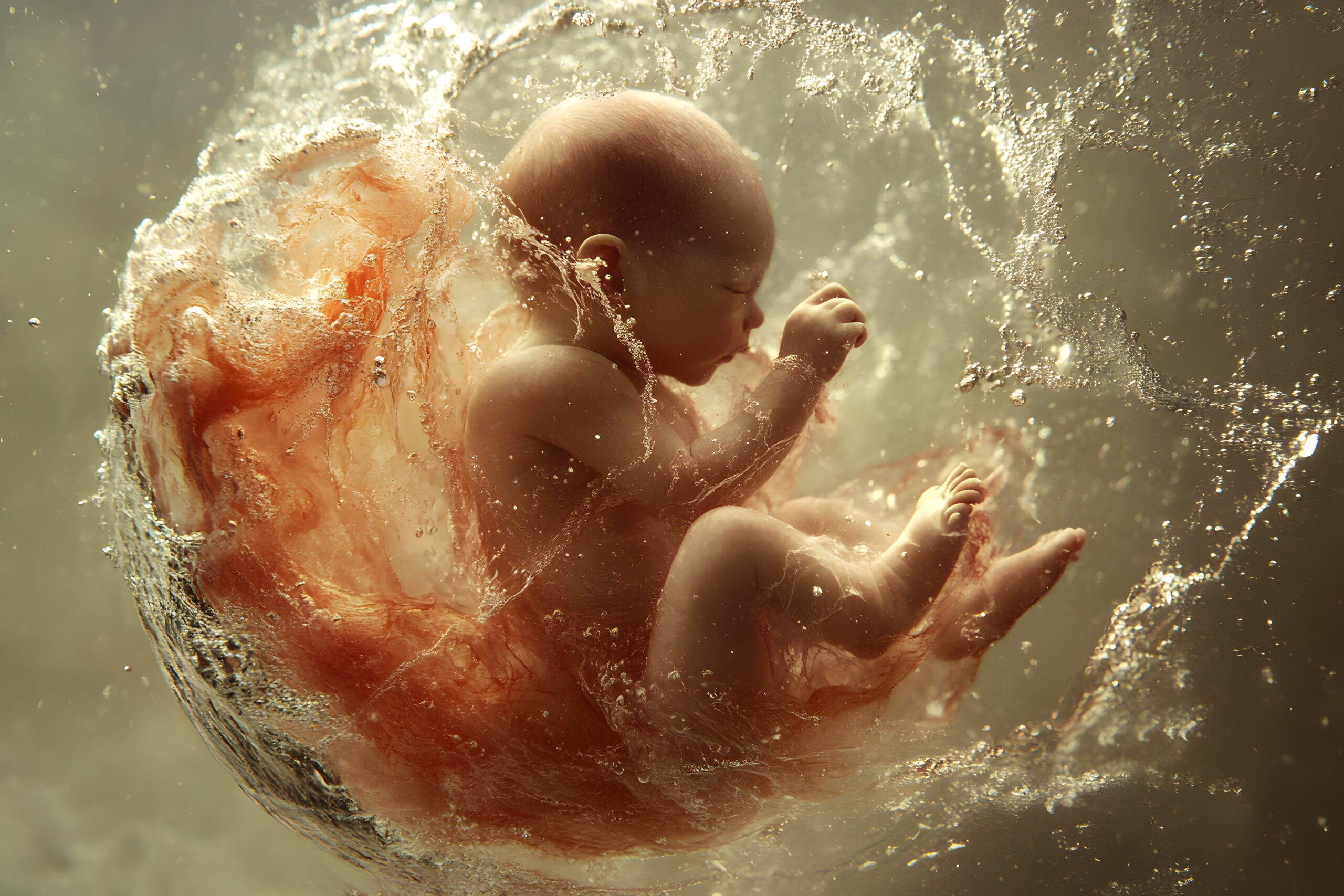
Just as Huxley’s soma symbolises humanity’s capacity to create tools that influence behaviour and perception, the Anthropocene marks the era in which human activity has become the defining force shaping the planet—and, by extension, human development itself. Human-made environments profoundly affect ecosystems, guiding the journey of “becoming human” from the maternal womb through early childhood and beyond. In this chapter, we explore how this interplay between biology and the human-shaped world defines the foundational ecology of life.
Human development is not a singular event but a continuum that begins before conception and unfolds dynamically throughout life. This “becoming human” process is shaped by a symphony of biological systems, environmental inputs, and societal factors. Central to this journey are three interconnected systems: Developmental Epigenetic Modifications (DEM), Metabolic Epigenetic Modifications (MEM), and Cognitive Epigenetic Modifications (CEM). Together, these systems provide the structure, function, and individuality that define human growth and adaptation. However, these biological systems do not operate in isolation; they are embedded within a broader framework of nutritional ecology, a dynamic and evolving ecosystem that encompasses not only physical nutrition but also hormonal, sensory, and social inputs. At the heart of this system lies autonomic flexibility, the human body’s capacity to adapt and regulate itself in response to internal and external stimuli. This chapter integrates these concepts to offer a unified perspective for understanding the foundations of “becoming human” and the factors influencing development across life stages.
The mother—an individual in her own right—represents a unique ecological system. This system is shaped not only during pregnancy but throughout her life, starting from birth. Her diet, exercise habits, quality of relationships, the air she breathes, the education she receives, and the…