

Childhood Just a Moment Ago
I didn’t grow up thinking we were poor.
We were, by any official measure, but it wasn’t something that lived in my head. It wasn’t something I carried around like a weight or a wound.
I remember Thursdays—payday.
My dad would come home and place a shiny threepenny bit into each small hand. It felt like treasure. We’d race off to the corner shop, dreaming of Black Jacks and Fruit Salads, sweets that cost only a halfpenny each.
Back then, a threepenny bit could buy you a proper little paper bag bulging with sweets. Today, that same bag would cost over £3 — a reminder of just how much the world has changed, and not just in price tags.
We didn’t think about what we lacked.
We thought about what we could savour.
We lived in a world where meaning was installed quietly, almost invisibly.
The Apps given to us by our parents, our teachers, our small communities were sturdy and straightforward:
Work hard.
Be grateful.
Aspire to something better.
We weren’t sold success in neon lights.
We weren’t compared to an endless scroll of unreachable lives.
We weren’t told that if we struggled, we had failed.
Poverty wasn’t an identity.
It wasn’t a moral failing.
It was simply the backdrop to a life that still made sense.
We inherited dignity without even knowing it.
Hope wasn’t something we had to create against the odds — it was something we absorbed, like sunlight.
The Lineage of Narrative Collapse
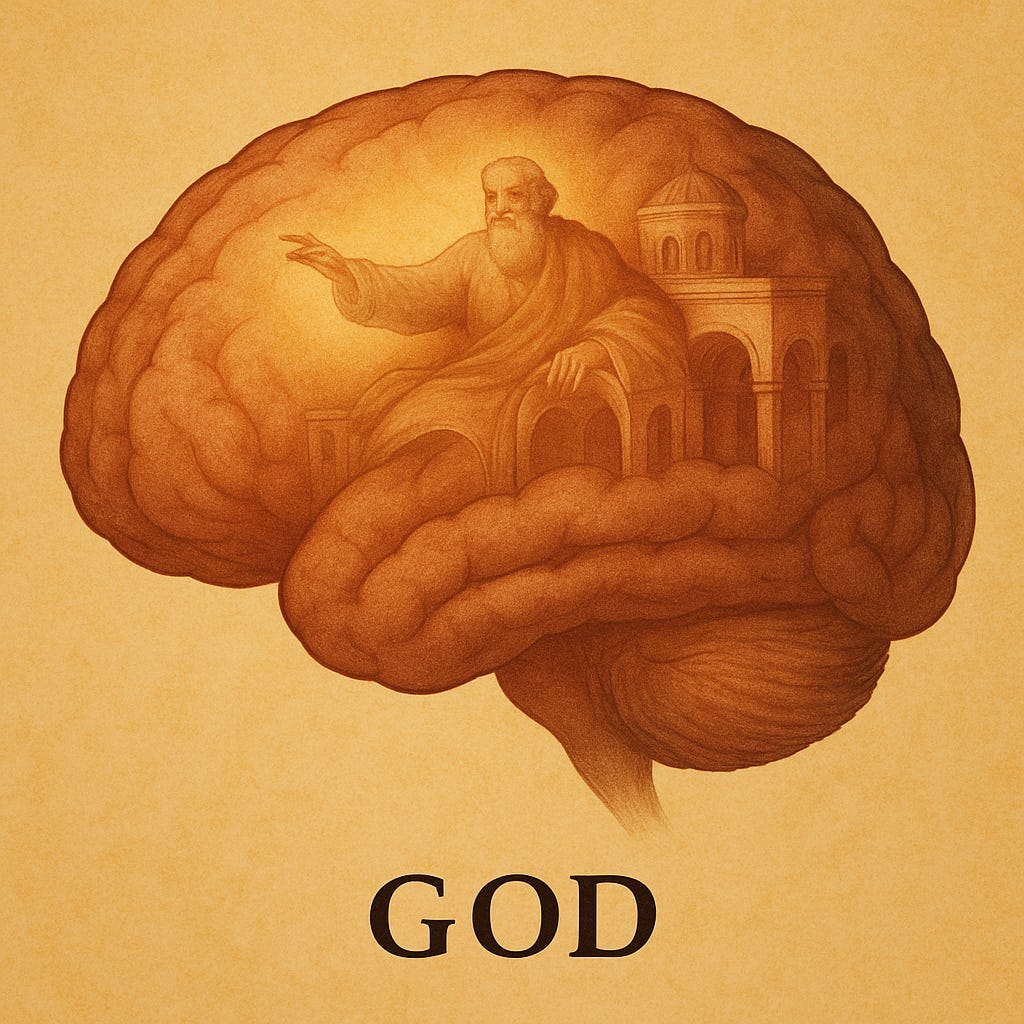
Nietzsche warned us.
When he declared “God is dead,” he wasn’t celebrating.
He was grieving.
For all its flaws, he understood that religion had been more than…

Add a Comment
You must be logged in to post a comment