

If you’re a parent wondering why your child seems
anxious,
distracted,
sensitive, or “different”
You’re not alone.
And no, it’s not your parenting.
It’s not their personality.
And it’s not their genetics.
It’s their nervous system.
Trying to survive.
In an environment that no longer supports clear thinking.
For thousands of years.
Human minds evolved in a world of
movement,
rhythm,
apprenticeship,
and real-world feedback.
Children learned by doing.
Through play,
repair,
friction,
and story.
But today, the world has changed.
faster than biology can keep up.
Children now sit more than they move.
They scroll more than they speak.
They receive commands from devices, not attuned faces.
And we wonder.
Why focus collapses,
emotions surge,
and diagnoses multiply.
This is not a crisis of willpower.
It’s not a wave of mysterious disorders.
It’s a nervous system adaptation.
And our children are doing their best to cope.
In this post, I want to share a different way to think.
About your child’s attention,
mood, and behaviour.
One that moves beyond labels.
And toward the real levers of change.
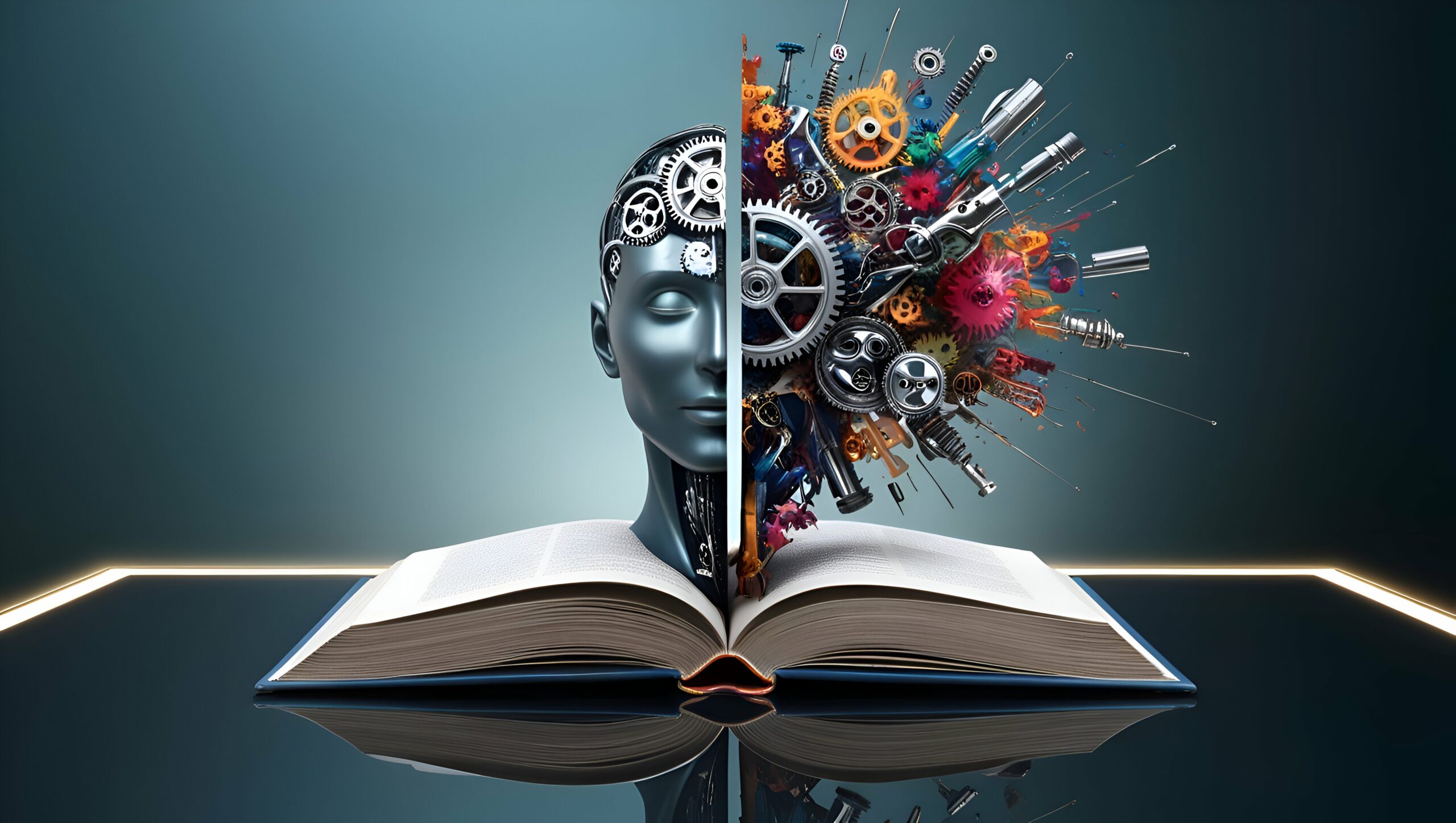
The Dangerous Gift of Metacognition
It’s easy to assume that thinking is what humans do best.
But thinking is not our default state.
Reactivity is.
For most of human history.
Cognition was embodied.
We walked.
We hunted.
We copied elders.
We learned through rhythm, movement, failure, and repair.
There was no need to “reflect”
Life itself shaped the nervous system.
But then something strange happened.
A small subset of humans developed a recursive loop.
The ability tothink about their own thoughts.
This is metacognition.
And it changed everything.
It gave rise to abstract language.
Philosophy,
Self-restraint,
Science,
The concept of…

Add a Comment
You must be logged in to post a comment